Cosmetics Packaging: Materials and Finishes That Sell Skincare
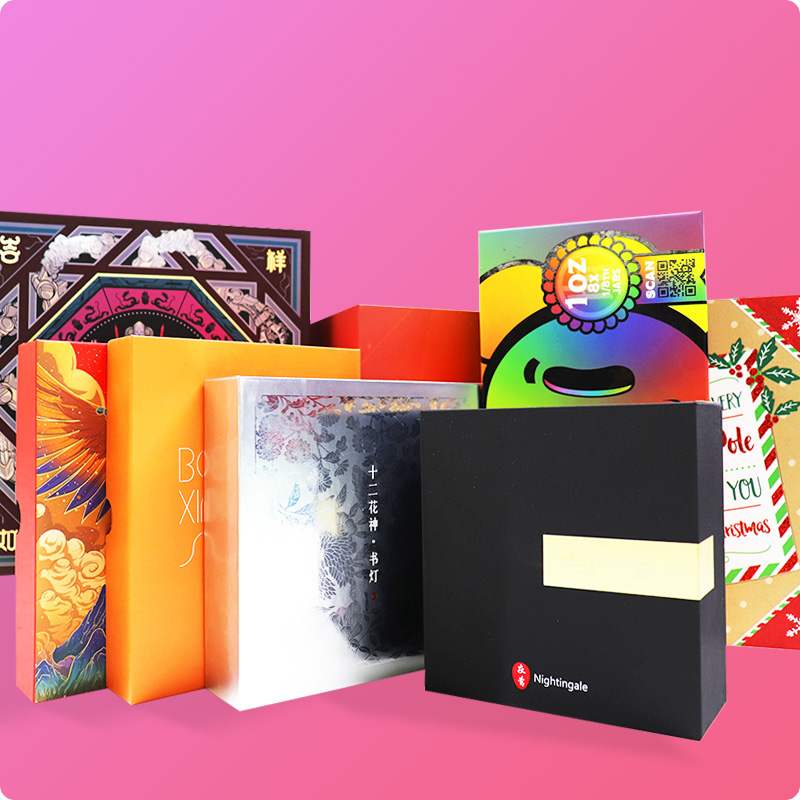
Skincare is bought with the hands before it is bought with the skin: the customer lifts the box, feels the weight, runs a thumb across the surface — and decides in seconds whether the serum inside justifies its price. Cosmetics packaging carries that decision, which is why it is the most demanding category we produce for: tight tolerances, premium finishes, and inserts engineered like jewelry cases.
Here is how we build skincare packaging that sells, from board selection to the machine that keeps every logo perfectly centered.
Start with the structure: carton or rigid box?
Skincare brands usually need both, at different moments:
- Folding cartons (the primary box) hold the product on the retail shelf. 250–400 gsm white or art card, printed full color with spot accents, fitted to the bottle or jar with a die-cut cradle. Unit cost stays low at MOQ 1,000 pcs, and cartons ship flat.
- Rigid gift boxes (the set or gift moment) wrap 1,200–2,000 gsm greyboard in printed or specialty paper — lid-and-base, book-style magnetic, or drawer constructions at MOQ 500 pcs. This is the gift-set tier, subscription hero boxes, and brands whose unboxing is part of the marketing.
The sequence most skincare brands grow through: launch with cartons, add a rigid gift set for holiday or the VIP tier, keep both under one visual system.
Inside the primary carton, the bottle or jar sits in a die-cut paper cradle with the ingredient panel and batch code on the panels regulation requires. The rigid set is engineered as a scene: serum and cream on a fitted platform, often on a raised riser, with a brand card slot. Both layers are designed together in our dieline stage so the carton slides over the set without a second tooling round.
Materials that sell skincare
Four board families dominate the category, each with a job:
| Material | The look it gives | Typical use in skincare |
|---|---|---|
| Black cardstock | Dramatic, high contrast with foil | Premium serums, unisex lines |
| White/art card | Clean, clinical, color-true | Dermocosmetics, ingredient-led brands |
| Cotton-core card | Soft, warm, tactile “clean beauty” | Natural and organic positioning |
| Specialty textured paper | Linen, laid or leatherette character | Luxury gift sets and VIP packaging |
The board decision interacts with the finish more in cosmetics than anywhere else: a matte or soft-touch film over black card is the category’s signature (see our soft-touch guide), while white card with a gloss varnish reads clinical and fresh.
Match the board to your sub-category and the packaging starts selling before the copy is read: dermocosmetics on white or art card with clinical typography and a gloss varnish; clean beauty on cotton-core with uncoated textures and minimal foil; luxury anti-aging on black card with soft-touch and a single gold foil; natural lines on kraft or molded pulp with soy inks. Four shelves, four different signals — the board is the signal.
Finishes: where the category spends
Skincare packaging lives or dies by two finishes, plus one helper:
- Soft-touch lamination — the velvet matte that defines modern premium; it also resists the fingerprints a skincare shelf accumulates daily.
- Hot foil stamping — gold, rose gold and silver foils on logos and accent lines. On black card, foil is the fastest way to look established; on soft-touch, it reads as embossed metal rather than shiny sticker.
- Spot UV — gloss highlights on the product name or a pattern, registered against the matte body for the contrast the eye reads as detail-obsessed.
Our standing advice for the category: soft-touch as the base, one foil color, spot UV only where the design has a real focal element. Skincare buyers see through finish-stacking; restraint is the luxury signal.
Inserts: the part customers photograph
The insert is what the camera sees when the lid comes off. Options in order of presentation value:
- EVA foam, cut and colored to the bottle silhouette — the precise, premium default
- Vacuum-formed trays for irregular shapes at volume
- Molded pulp for the sustainability-positioned lines
- Silk or suede liners over foam for the gift tier
Sustainability has its own shelf segment now: FSC-certifiable boards, soy-based inks and mono-material cartons that skip the laminate entirely. Refill systems are also moving from niche to expected — a rigid outer case engineered to keep a replaceable inner cartridge changes the packaging from a cost into a repeat-purchase product. Both directions are engineering we handle at the dieline stage, not afterthoughts.
Inserts are engineered to the bottle, not guessed: send dimensions, receive the dieline with the cradle drawn in.
The machine detail that matters at 500 pieces
Cosmetics branding punishes misalignment: a logo off-center by two millimeters reads as counterfeit. Our rigid boxes run through a visual positioning machine that registers the printed wrap to the greyboard within fractions of a millimeter, lid after lid — the reason short runs look identical to container-scale production. Combined with CTP plating and Heidelberg offset color control, your Pantone arrives as your Pantone.
A sampling tactic the category uses well: put two board directions in one sample round — black card with gold foil against cotton-core with blind deboss, for example. The cost difference is a courier box; the decision it settles is the one brands usually argue about for weeks.
Real numbers for planning
If a holiday gift set is on the roadmap, work backwards from the retail date: sampling and one revision cycle fit comfortably before autumn when engineering starts in summer. Q4 press schedules fill early across the industry, and rigid-box capacity is the first to sell out.
| Item | Skincare packaging spec |
|---|---|
| Rigid gift box MOQ | 500 pcs |
| Folding carton MOQ | 1,000 pcs |
| Sampling | 5–7 days (rigid) · 3–5 days (carton) |
| Production | 12–18 days (rigid) · 10–15 days (carton) |
| Popular finishes | Soft-touch + foil + spot UV |
| Inserts | EVA, vacuum tray, molded pulp, silk |
Send your bottle dimensions and brand direction through the quote form — the structural recommendation, finish set and tiered pricing come back within 24 hours, with a physical sample on the real materials before anything is committed.